Choosing the correct industrial packaging is not merely a logistical checklist item, but also it is a critical compliance, safety, and cost factor in international chemical supply chains. Whether transporting bulk solids or hazardous liquids across borders, selecting between 25kg Polypropylene (PP) Woven Bags, Flexible Intermediate Bulk Containers (Jumbo Bags/FIBCs), and Steel Drums dictates regulatory clearance, cargo integrity, and handling efficiency.
This guide breaks down each packaging type, its UN code classifications, compliance standards (IMDG/ADR), and optimal industrial use cases.
25kg PP Woven Bags (Bags / 5H Code Series)
Woven polypropylene bags are the industry standard for transporting medium-tonnage dry chemical powders, granules, and prills. Designed for manual or semi-automated handling, 25kg bags offer an optimal balance of structural strength and granular dosage control.
UN Code Standards (Chapter 6.1):
· 5H1: Unlined woven plastics bag (for non-moisture-sensitive or non-hazardous dry goods).
· 5H2: Sift-proof woven plastics bag (prevents fine powder leakage during transit).
· 5H3: Water-resistant woven plastics bag (incorporating plastic film liners or coatings to protect hydroscopic materials from atmospheric moisture).
Maximum Net Mass Limits: Per UN regulations (Section 6.1.4.15.4), standard industrial bags are generally rated up to a maximum net mass of 50 kg, making 25kg configurations the ideal ergonomic and regulatory standard.
Best Suited For:
· Fine and granular chemicals (e.g., Soda Ash, Sodium Sulfide flakes/granules, textile auxiliaries).
· End-users requiring manual unloading without heavy lifting equipment.
· Multi-buyer shared container shipments where precise fractional tonnages are ordered.
Jumbo Bags / FIBCs (Flexible Intermediate Bulk Containers / 13H Code Series)
Flexible Intermediate Bulk Containers (FIBCs), commonly known as Jumbo Bags or bulk bags, bridge the gap between small sacks and rigid ISO tanks. Constructed from heavy-duty woven polypropylene, they are engineered for high-volume dry chemical transport.
UN Code Standards (Chapter 6.5):
· 13H1 / 13H2 / 13H3 / 13H4: Woven plastics FIBCs (uncoated, coated, with inner liner, or coated with liner). For hazardous solids requiring moisture barriers, coated variants with polyethylene inner liners are mandatory.
Regulatory Compliance and Special Provisions:
· According to UN Chapter 4.1 (Special Packing Provision B3), flexible IBCs used for dangerous goods must be sift-proof and water-resistant.
· FIBCs are strictly restricted to solid materials (powders, flakes, crystals). If a solid substance risks liquefying during transport, additional containment standards apply.
Best Suited For:
· High-volume industrial consumers (textile processing mills, detergent manufacturers, tanneries).
· Bulk raw materials requiring rapid overhead crane or forklift discharge via bottom spouts.
· Optimizing container payload capacity while minimizing secondary waste handling.
Steel Drums (Rigid Metal Packaging / 1A Code Series)
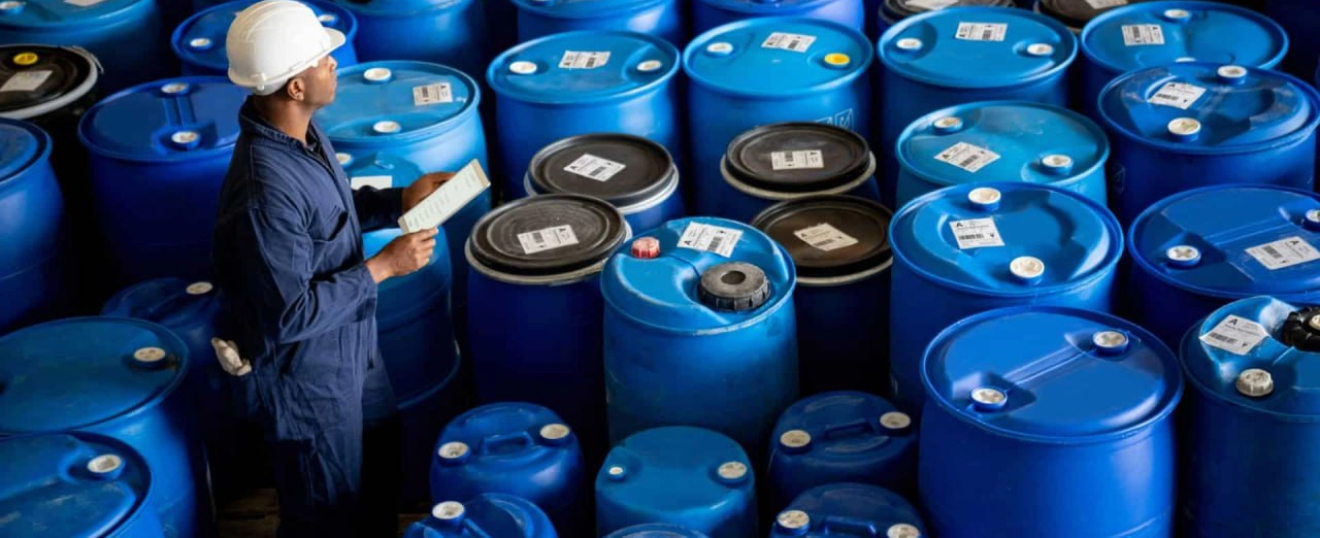
For liquid chemicals, highly corrosive acids, or reactive materials requiring absolute containment, rigid steel drums remain the gold standard of industrial packaging.
UN Code Standards (Chapter 6.1):
· 1A1: Steel drums with a non-removable head (tight-head), primarily designed for liquid chemicals, acids, and low-viscosity products.
· 1A2: Steel drums with a removable head (open-head), utilized for viscous liquids, pastes, or solid hazardous chemicals requiring wide-aperture access.
Safety and Regulatory Frameworks:
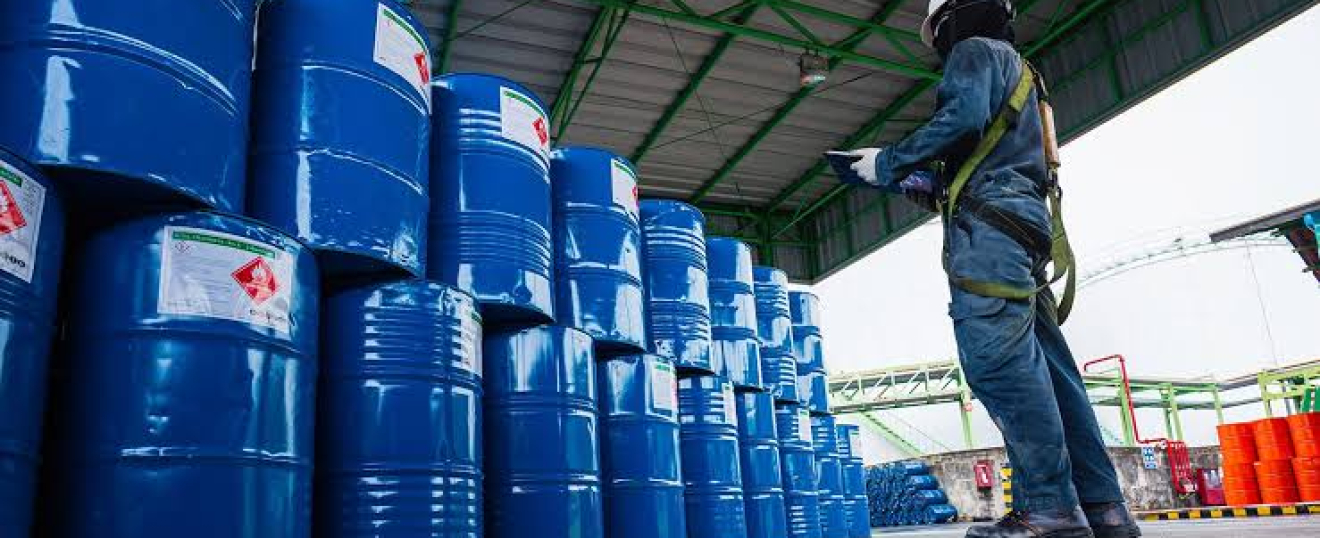
· Steel drums are heavily utilized for Class 8 (Corrosive) and Class 3 (Flammable Liquids) chemicals. They must withstand rigorous drop, stacking, leak-proofness, and internal pressure tests under UN Chapter 6.1 protocols.
· Fully compatible with both IMDG Code (maritime transport) and ADR (road transit) requirements.
Best Suited For:
· Hazardous liquid chemicals (e.g., Caustic Soda Lye, liquid bleaching agents, organic solvents).
· Harsh transit environments where puncture resistance and chemical inertness are critical.
Comparison Matrix: Selecting the Right Packaging
Feature | 25kg PP Woven Bags | Jumbo Bags (FIBCs) | Steel Drums |
Primary State | Dry Solids (Powders/Flakes) | Dry Solids (Bulk Granules/Powders) | Liquids, Pastes, High-Hazard Solids |
UN Code Series | 5H1, 5H2, 5H3 | 13H1 to 13H4 | 1A1 (Liquid), 1A2 (Solid/Paste) |
Typical Capacity | 25 kg net | 500 kg – 1,250 kg | 200 Liters / 200–300 kg |
Handling Method | Manual / Palletized | Forklift / Crane Loops | Drum Handlers / Forklift Attachments |
Moisture Protection | Requires PE liner (5H3) | Requires coated fabric / liner | Hermetically sealed metal wall |
Aligning Packaging with Supply Chain Efficiency
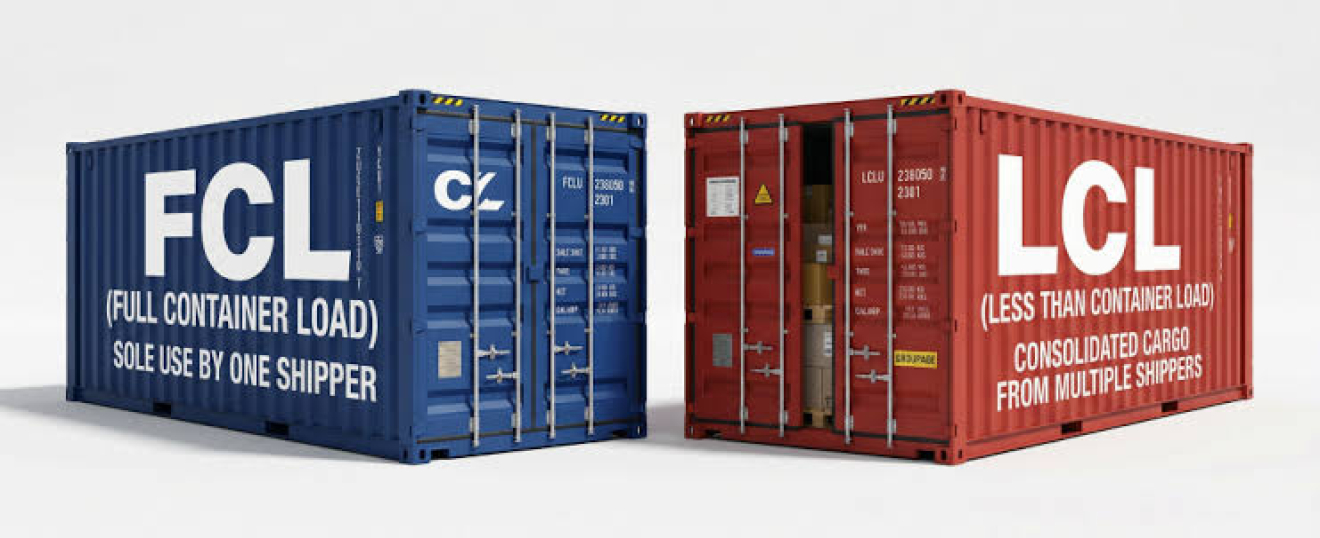
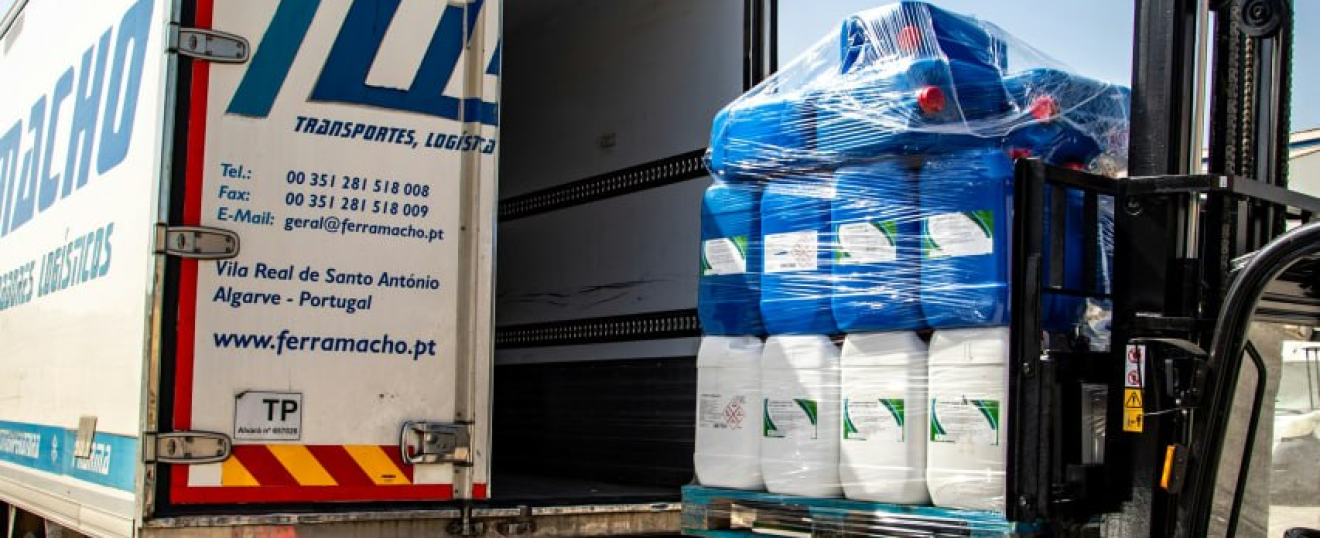
Selecting the correct packaging protects product purity, ensures compliance with international dangerous goods regulations (IMDG/ADR), and optimizes freight economics. Whether you are sourcing exact tonnages via PKS Chemical’s Shared Container Shipping model or planning full-load industrial dispatch, aligning your material specifications with certified UN packaging guarantees a seamless transition from port to production line.
Need guidance on the optimal packaging specification for your next chemical order?
Contact the PKS Chemical team to discuss your exact project requirements.