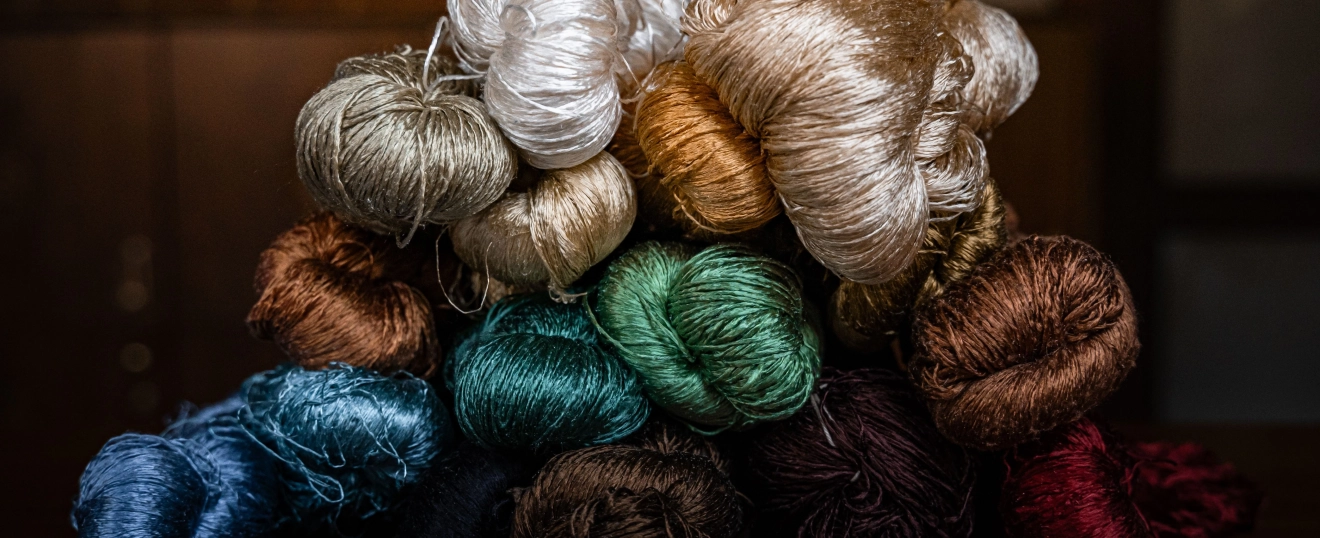
In the textile manufacturing cycle, the finishing stage is where the fabric is transformed from a raw, processed material into a consumer-ready product. While dyeing gives the fabric its color, the finishing process gives it its character.
The strategic application of finishing chemicals determines whether a fabric feels harsh or luxurious, whether it irritates the skin or provides comfort, and whether it lasts for years or loses its shape after a few washes. This guide explores the three pillars of high-quality textile finishing: pH regulation, softening, and durability enhancement.
The Importance of pH Regulation in Textile Finishing
After dyeing and bleaching, fabrics often carry residual acidity or alkalinity from the processing liquors. If left untreated, this residual pH can cause severe issues, from skin irritation for the end-user to the yellowing of white fabrics during storage.
Why pH Matters:
Skin Comfort: Human skin has a slightly acidic pH. Fabrics that are too alkaline or too acidic can cause contact dermatitis or discomfort. Proper finishing ensures the fabric remains pH-neutral (around 5.5 to 7.0).
Color Stability: High or low pH levels can trigger chemical reactions that shift the shade of dyed fabrics over time, leading to color inconsistency.
Chemical Compatibility: The softeners and durability agents applied in the final steps perform best within specific pH ranges. Proper buffering ensures that these expensive additives adhere correctly to the fiber.
Pro-Tip: Utilizing reliable pH buffers and neutralizing agents is not just about quality; it’s about ensuring that your finished textile meets international safety standards for apparel exports.
Fabric Softening: Achieving the Luxury Hand-Feel
The hand-feel (or handle) of a fabric is the primary factor in consumer purchasing decisions. Whether it is a soft cotton t-shirt or a crisp linen shirt, the objective of the finishing process is to achieve the desired tactile sensation.
How Softeners Work:
Fabric softeners work by creating a microscopic, lubricating layer on the surface of the individual fibers. By reducing friction between the fibers themselves and between the fabric and the skin, they create a smoother, softer sensation.
Types of Finishing Softeners:
Silicone Softeners: The gold standard for premium finishing. They offer excellent drape, elasticity, and a soft, silk-like feel. They are highly effective on knitwear and high-end cotton goods.
Non-Silicone/Fatty Softeners: Often used for budget-conscious lines or specific applications where high surface friction (grip) is required, such as in certain industrial fabrics.
Hydrophilic Softeners: These provide softness without sacrificing the fabric’s ability to absorb moisture which is a critical requirement for sportswear and towels.
Enhancing Final Fabric Durability
Durability is what separates low-quality garments from high-value apparel. Finishing chemicals do not just make a fabric look good; they make it perform better.
Key Durability Enhancements:
Anti-Pilling Agents: These chemicals bind surface fibers together, preventing them from loosening and forming the unsightly fuzz balls (pilling) often seen on synthetic-blend fabrics after repeated wear.
Wrinkle-Resistant Finishes: By cross-linking cellulose chains within the fiber, these finishing agents ensure that fabrics return to their original shape, drastically reducing the need for ironing.
Dimensional Stability: Proper finishing reduces shrinkage, ensuring the garment retains its size and cut throughout its lifecycle.
The Operational Workflow: Applying Finishing Chemicals
For textile finishing managers, consistency is the ultimate goal. The application of these chemicals is generally performed using two methods:
Exhaust Method: Suitable for batch processing (dyeing machines). The fabric is circulated in the finishing liquor, allowing the chemicals to penetrate evenly over a longer duration.
Padding (Pad-Dry-Cure): Common in continuous processing lines. The fabric passes through a bath of finishing chemicals and is then squeezed through rollers before drying. This method is faster and ideal for high-volume production.
Partnering for Finishing Excellence
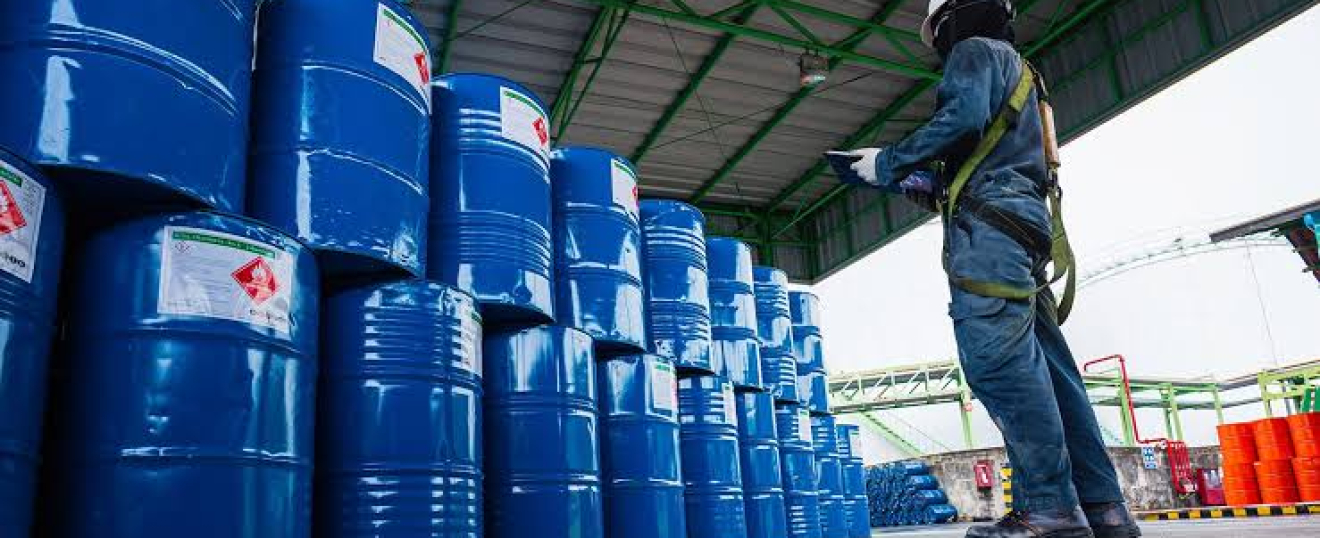
A successful finishing process relies on the quality of the auxiliary chemicals used. Whether you are aiming for a luxurious hand-feel, strictly controlling pH to meet export safety standards, or enhancing the durability of industrial textiles, the right chemical partner is essential.
PKS Chemical provides a full range of high-performance textile auxiliaries, including pH regulators, premium silicone softeners, and durability enhancers, specifically formulated for the high-volume textile industries in Pakistan, Turkey, and Central Asia.
Are you looking to optimize your finishing process?
Explore our range of Textile Finishing