As Pakistan’s manufacturing sector pushes for increased industrial throughput, the chemical industry the foundational input for textiles, pharmaceuticals, construction, and agriculture remains a critical bottleneck. Recent market data from October 2026 highlights both the massive scale of the sector and the structural vulnerabilities that manufacturers must navigate.
The Reality of Market Dependency
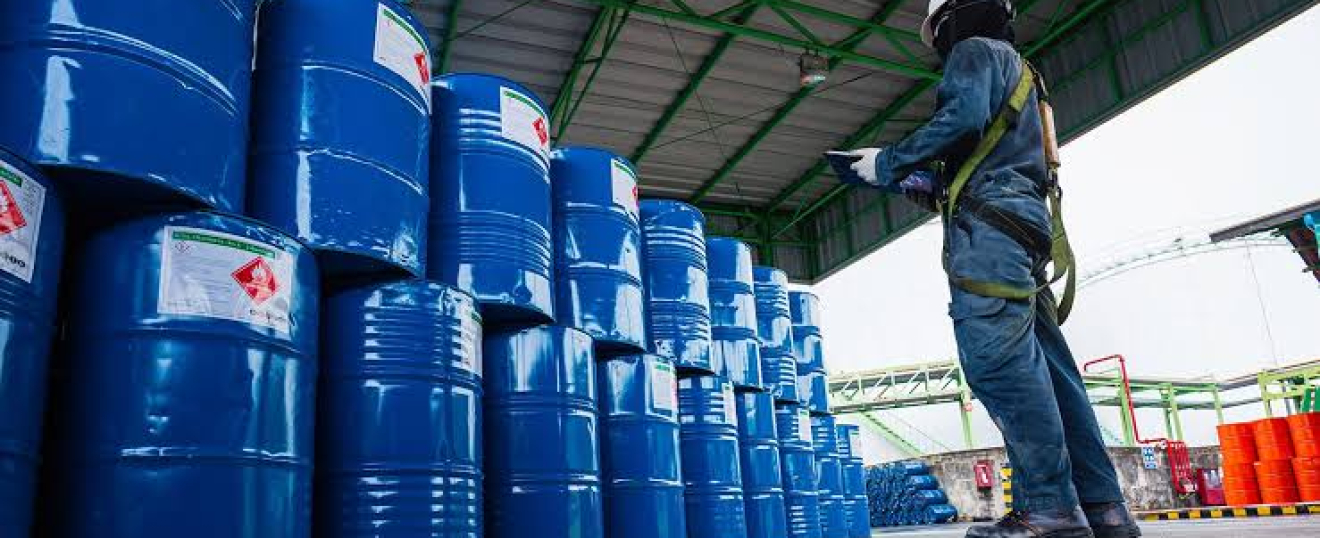
With an annual market valuation exceeding $14 billion and projections targeting $20 billion, the Pakistani chemical industry is indisputably central to the national economy. However, the sector faces a paradox: despite an established manufacturing base, 56% of chemical demand is currently met through imports.
For industrial players ranging from textile mills in Faisalabad to tannery clusters in Sialkot this high import dependency is not merely a statistical figure; it is an operational risk. Recent data from the Pakistan Bureau of Statistics (PBS) indicates that domestic output has faced downward pressure, forcing downstream producers to rely heavily on international supply chains that are increasingly volatile.
The Cost of Fragmentation
The current industrial landscape is characterized by a policy gap. While sectors such as petroleum refining are seeing modernization, there is no single, comprehensive framework integrating feedstock security, energy costs, and customs infrastructure.
For the average industrial buyer, this fragmentation manifests in three ways:
· Lead-Time Inconsistency: Dependence on traditional long-haul maritime routes leads to unpredictable transit times, disrupting Just-in-Time production schedules.
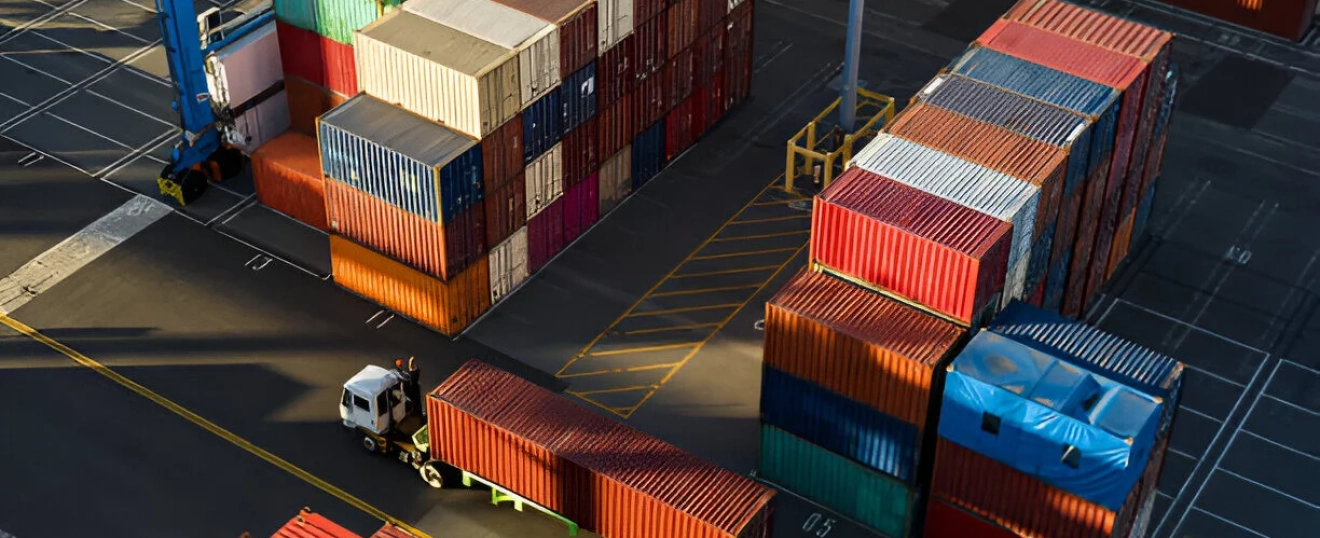
· Landed-Cost Volatility: Without optimized supply chain management, procurement costs are inflated by port congestion and inefficient logistical routing.
· Procurement Uncertainty: Managing imports requires navigating a complex environment of tariffs, environmental compliance, and evolving customs regulations.
Turning Dependency into Supply Chain Resilience
While national strategies such as the proposed naphtha-cracking complex are essential for long-term import substitution, manufacturers need immediate solutions to maintain uninterrupted production today.
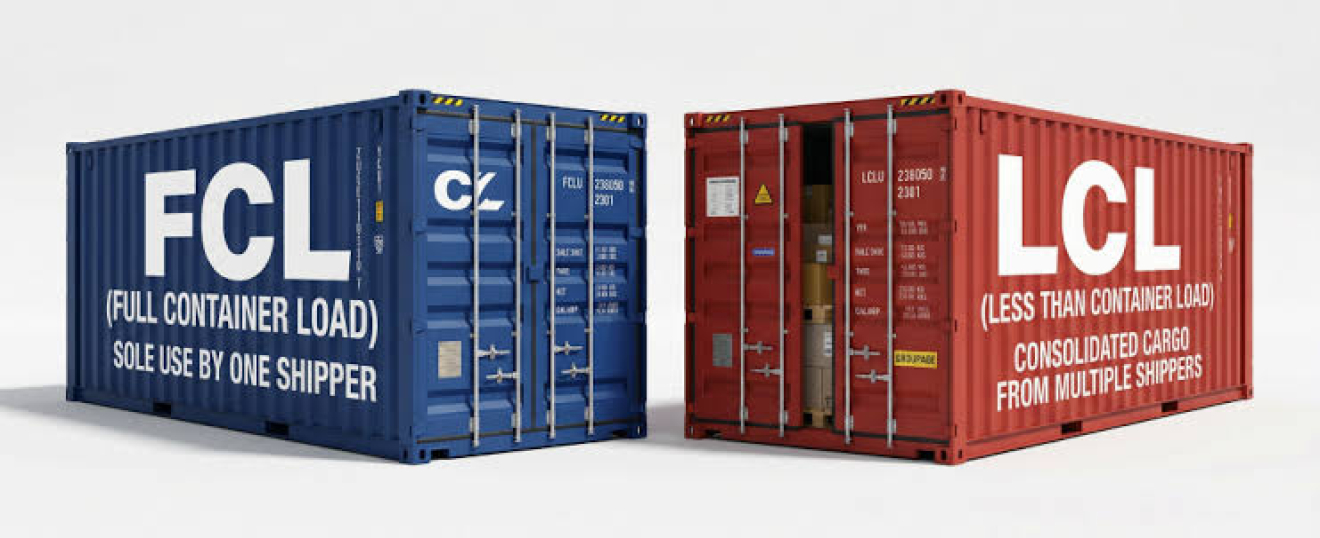
It is shown that the $14 billion market opportunity requires more than just product availability; it requires supply chain reliability. It is shifting the focus from fragmented sourcing to consolidated, efficient logistics:
The Path Forward
The opportunity for Pakistan’s chemical industry to reach a $20 billion valuation is immense, but tapping it requires a more robust value chain. For industrial manufacturers, the path forward involves moving away from reactive procurement and toward strategic, resilient partnerships.
As the industry evolves, those who secure their feedstock through streamlined, efficient, and regional supply corridors will define the next generation of Pakistan’s manufacturing success.
Source: Published in Dawn, the Business and Finance Weekly, October 5th, 2026
Are you looking to secure your raw material supply chain?
PKS Chemical provides direct sourcing, custom indenting, and high-tonnage logistics coordination to keep your production moving.
[Discuss Your Requirements with Our Logistics Team]